Temple Evening With a Village Elder
Penglipuran, Bangli
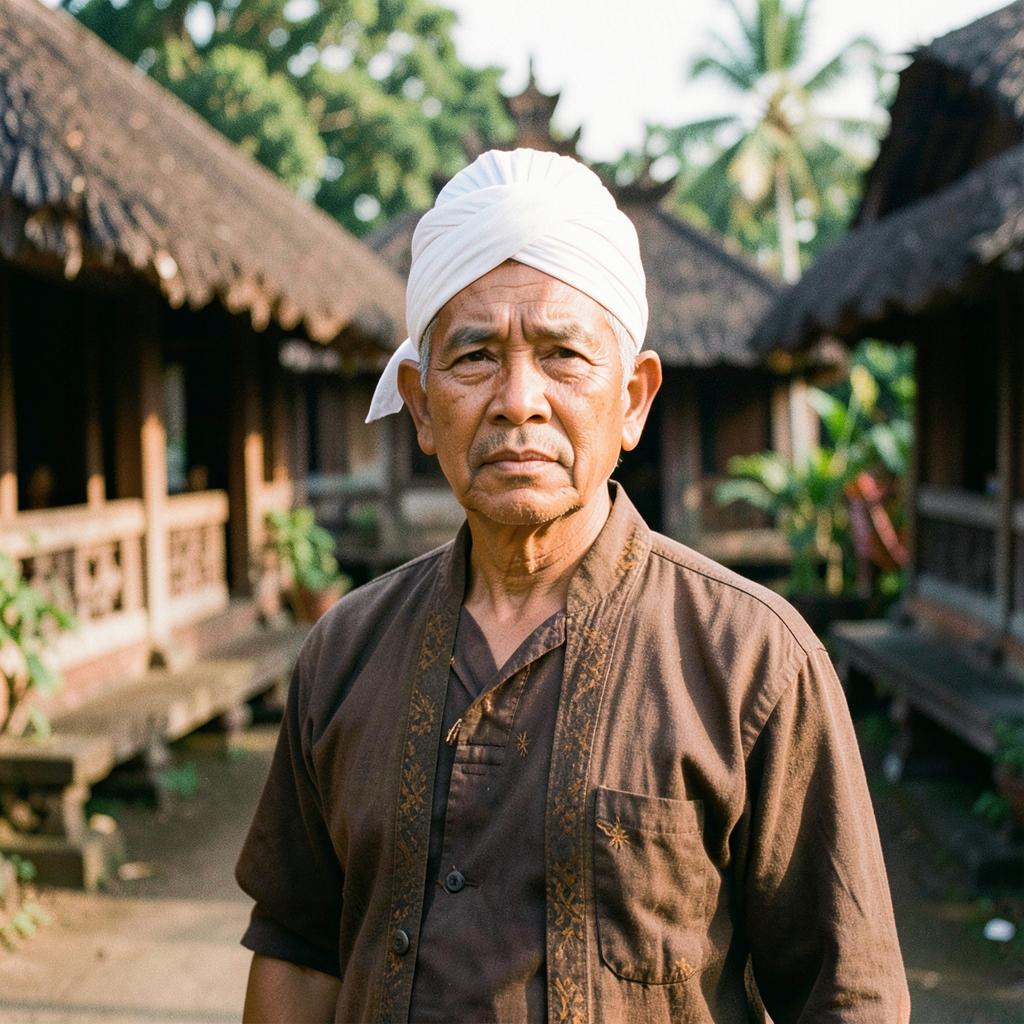
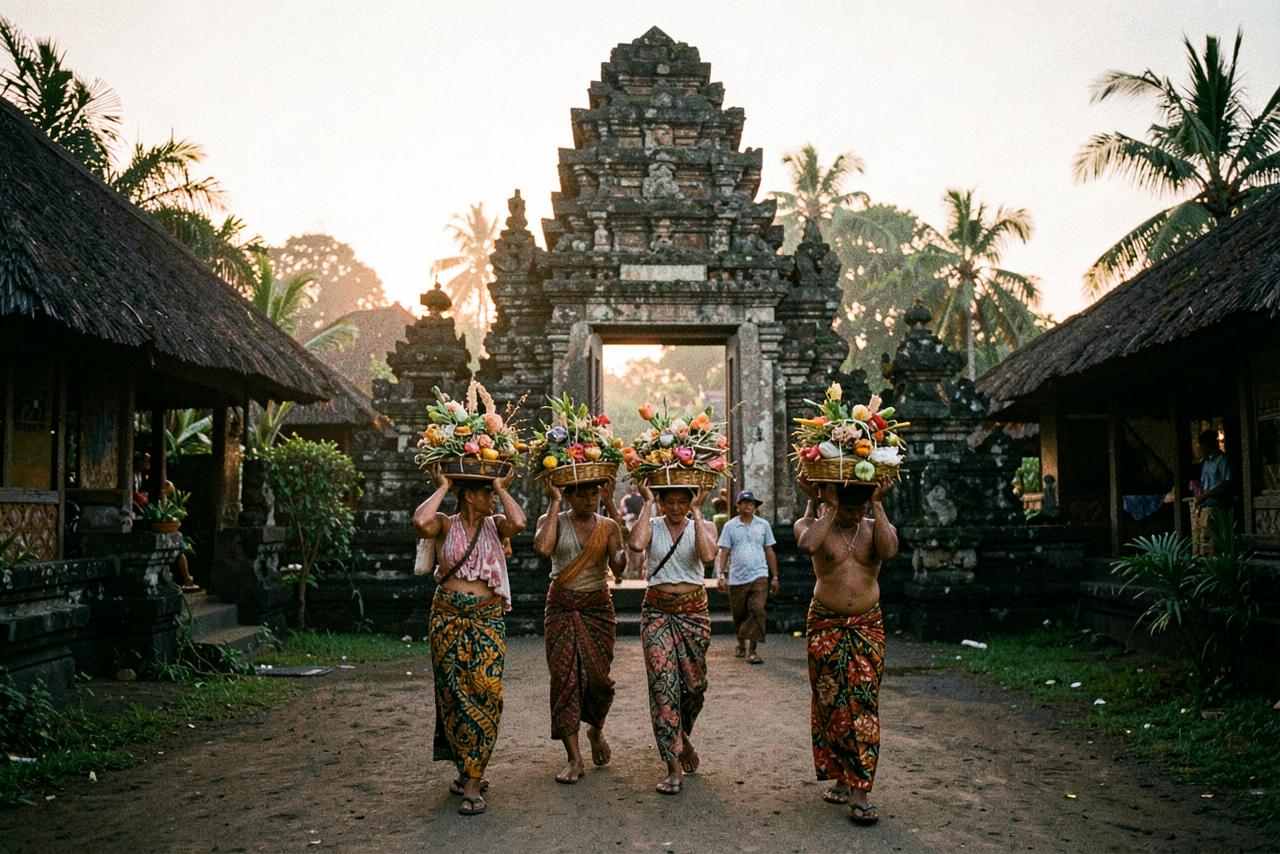
Ketut takes you to his banjar temple at the hour families actually go, and explains what you are looking at before you step through the gate.

cultural · traditional · craft · heritage
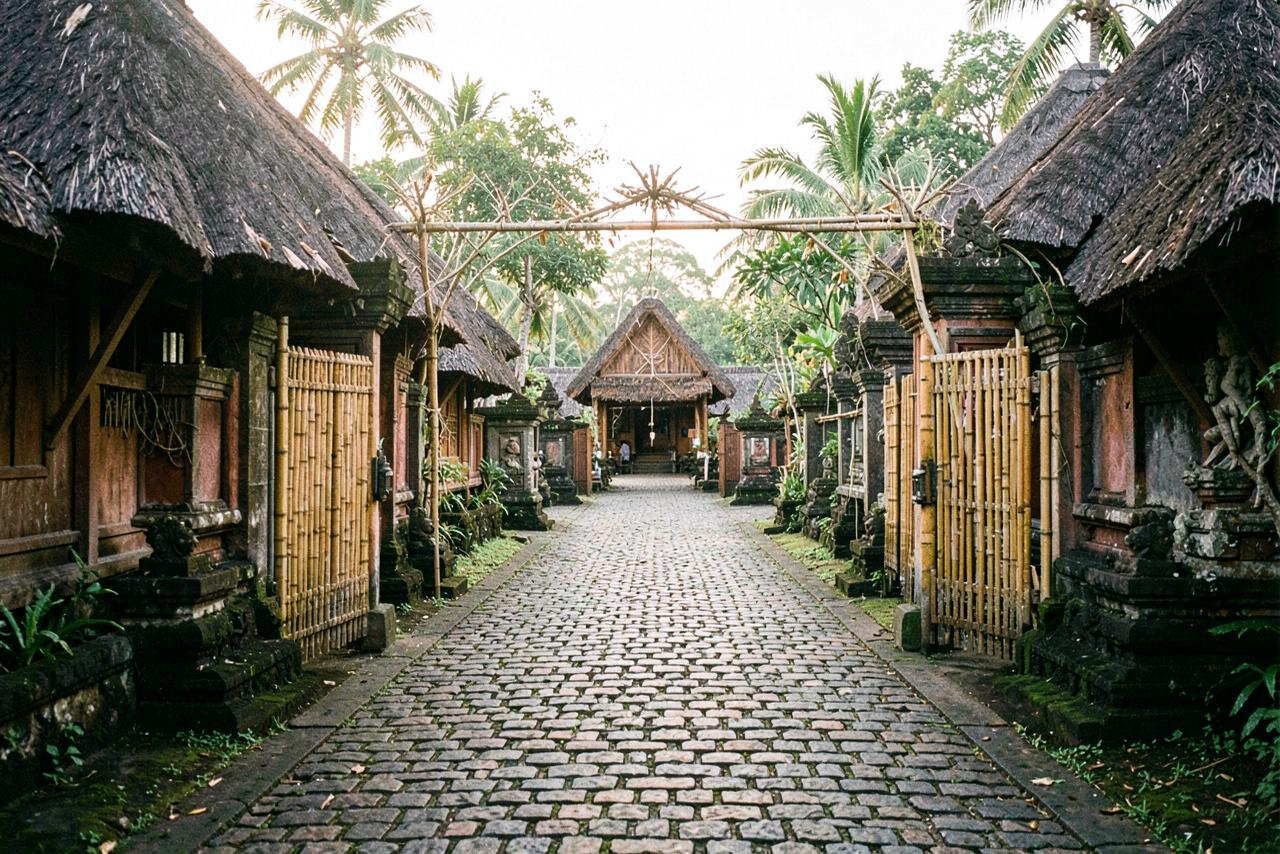
Penglipuran's houses face each other along a single rising lane, each with the same gate width and the same three-part compound. It is not a museum: the council still fines households that break the layout, and the bamboo forest above the village is village property, harvested by rota.
Ceremonies follow the Balinese calendar, and the village closes parts of the lane during them. Visitors are welcome as guests at the gate, not as an audience inside.
Around 240 households, most combining farming, bamboo carpentry and hosting. Decisions are made in the banjar meeting, not by a tourism office.
Loloh cemcem, a bitter-sour leaf drink made by the women's group, and tipat cantok are the village's own; ceremonial food is not sold.
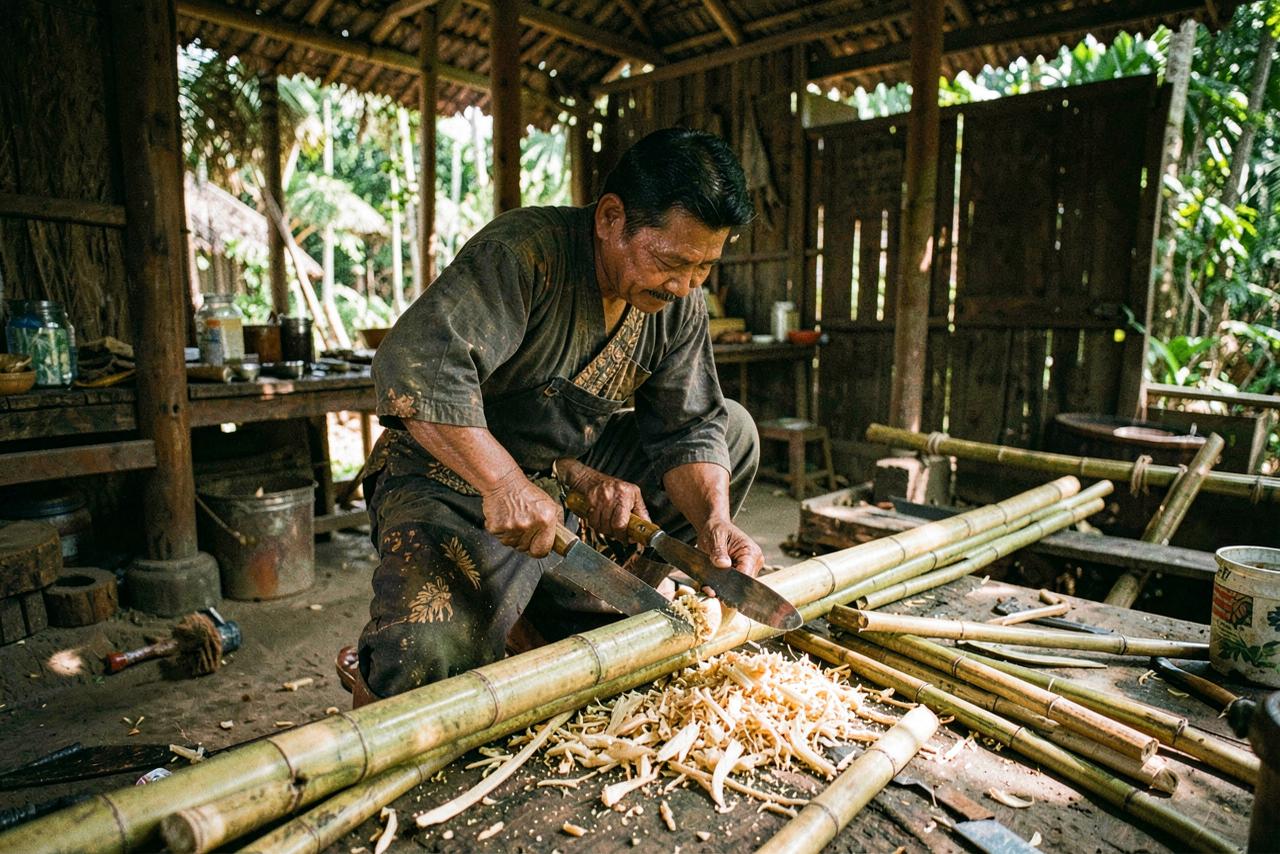
Bamboo containers, sokasi baskets and ceremonial vessels supplied across Bangli regency.
Seventy-five hectares of protected village bamboo forest, cut on a rota that has kept the stand healthy for generations.

Penglipuran, Bangli
Ketut takes you to his banjar temple at the hour families actually go, and explains what you are looking at before you step through the gate.

Penglipuran, Bangli
Split, shave and bind bamboo in Ketut's workshop, where every house in the village still buys its ceremonial containers.